
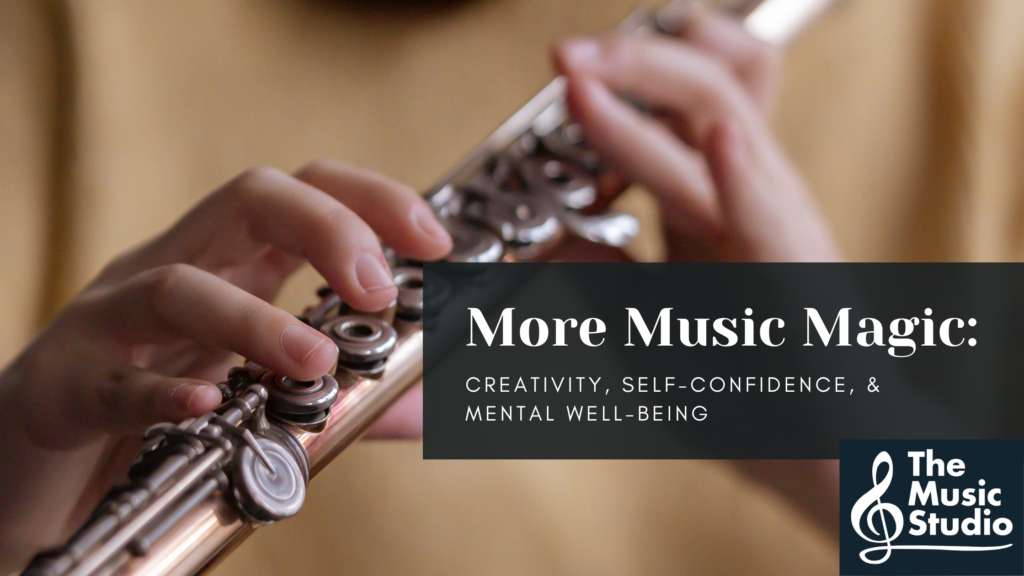
As far as we can tell, music has always been an important part of human life. It impacts our emotions, creativity, and mental health; and that goes for playing an instrument, writing your own music, or simply listening along. No matter how you participate with music, it stimulates the brain in ways that help to improve both cognitive function and emotional balance.
More than merely entertaining, music is a fundamental tool for mental health and well-being, reducing stress, improving focus, and even boosting creativity. Regardless of the nature of your relationship with music, the benefits extend far beyond melodies and rhythms.
Stress Relief
Between work and home, life today is full of stressors. Playing an instrument acts as a form of active mediation. This helps musicians stay focused on the moment while they create.
Studies have shown that even just listening to music lowers the stress hormone cortisol while increasing the release of dopamine, the neurotransmitter most associated with pleasure and relaxation. This change in brain chemistry results in reduced anxiety and an overall improved mood.
Creativity
Some people believe that creativity is strictly for artists, but that is simply not true. Rather, creativity is a skill used in problem-solving, innovation, and countless other ways across daily life. Learning to play an instrument improves creative thinking in the same way exercising builds muscle; improvisation, experimentation, and self-expression are like weight training for the mind.
Musicians must constantly make decisions. Choosing chord-progressions, improvising, writing lyrics, even interpreting a common piece in an uncommon way, this flexibility of mind bleeds out into other areas of life. A musician may find brainstorming problems at work or finding solutions to everyday issues less challenging.
Improved Focus and Mindfulness
Learning to play an instrument requires both a deep focus, and the ability to engage the creative and logical sides of the brain at the same time. This level of concentration is somewhat similar to mindfulness meditation, and helps musicians stay focused on the moment in a similar way.
Backing this notion up, research suggests musicians usually have better attention spans and cognitive function thanks to the discipline they develop through practice. The focus they learn playing music benefits the rest of their daily lives.
Emotional Expression & Mental Health
We’ve all heard the cliche: music expressed emotions that words cannot.
The thing is, it’s a cliche because it’s true.
Not only does playing an instrument help people process their emotions, many therapists have begun incorporating music into their patients’ treatment thanks to its ability to improve emotional resilience and enhance overall mood. Writing, playing, or even listening to emotionally resonant music can offer a powerful outlet for expression and healing.
But the mental health benefits go beyond even emotional expression. Neuroscience research shows that music stimulates the areas of the brain responsible for not only emotion, but memory and motor skills as well–all of which leads to better overall mental health.
Studies have shown that playing a musical instrument can reduce symptoms of depression and anxiety, improve memory and cognitive function, and release endorphins, improving mood and general happiness. It’s no wonder people turn to music for comfort during difficult times. Simply engaging with music is a natural way to improve mental well-being.
Confidence & Self-Esteem
Learning to play, and ultimately master, and instrument takes a lot of time, effort, and dedication. But with each milestone earned, confidence naturally grows. Finally getting that difficult passage right, learning how to perform in front of others, or writing your ow music all build a sense of self-belief and self-esteem.
Music teaches the importance of resilience, patience, and the joy and satisfaction of personal growth. The ability to create, ro even re-create, something beautiful gives musicians a wonderful sense of pride and accomplishment.
Closing Thoughts
Even for those with no ambitions to fill concert halls and arenas, music is more than a hobby–it’s an incredibly powerful tool for mental health, self-confidence, and personal development. Beyond the instruments and the melodies, music helps us relieve stress, improve focus, express our emotions, and build confidence.
No matter your age, skill level, or relationship with music, bringing more music into your daily life can lead to better mental health, more free-flowing creativity, and a stronger sense of self-fulfilment. So, check out all The Music Studio’s programs and lessons, pick up an instrument, and let music improve your life!